Precision Aesthetics: A Guide to Ear Cropping in Jacksonville
Choosing to pursue a surgical alteration for a canine companion is a decision that sits at the intersection of tradition, breed standards, and clinical precision. For many dedicated owners of specific working and guardian breeds, the silhouette of a dog is not merely an aesthetic preference but a hallmark of historical function and identity. As we navigate the veterinary landscape of 2026, the technical execution of this procedure has evolved significantly, emphasizing not just the visual outcome, but the physiological safety and long-term comfort of the animal.
At Normandy Animal Hospital, we recognize that residents searching for Ear Cropping in Jacksonville are looking for more than a routine service; they are seeking surgical expertise that respects the unique cartilage structure of their specific breed. Whether you are a first-time owner of a Doberman Pinscher or a seasoned enthusiast of the Great Dane or American Bully, understanding the surgical journey—from the initial consultation to the final posting—is essential for a successful result.
1. The Anatomy of a Precision Crop
Ear cropping is a delicate procedure that requires a deep understanding of canine auricular anatomy. Unlike a standard soft-tissue surgery, cropping is as much an art form as it is a medical necessity for those adhering to breed registries. The ear flap, or pinna, consists of a thin layer of skin covering a framework of highly flexible elastic cartilage.
Cartilage Assessment and Sizing
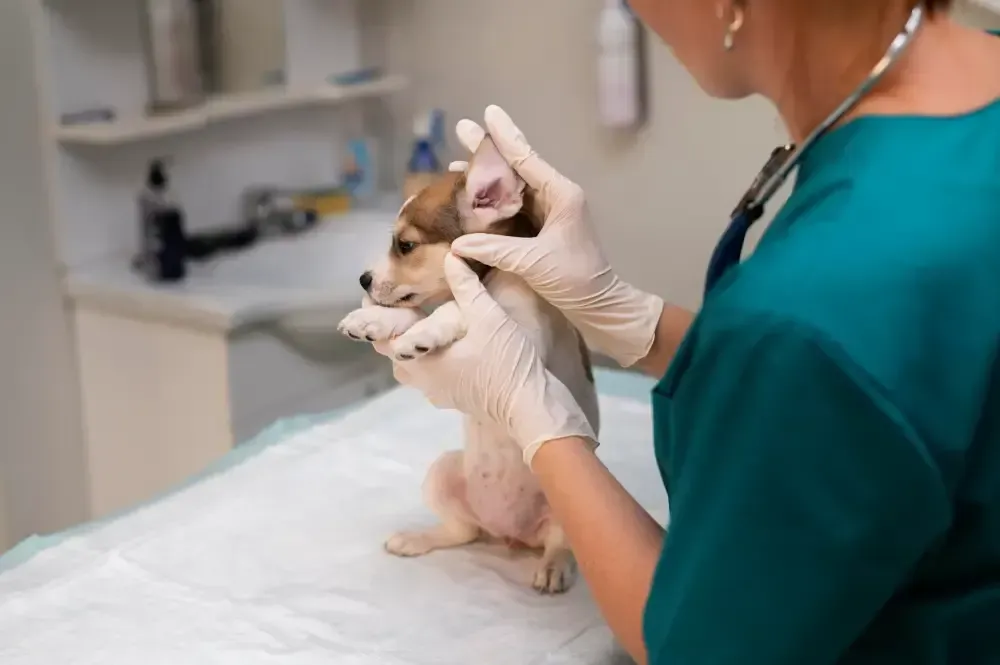
The success of a crop depends largely on the quality of the cartilage. During a consultation for Ear Cropping in Jacksonville, a surgeon must evaluate the "weight" and stiffness of the ear leather. Cartilage that is too thin may struggle to stand, regardless of the surgical technique, while exceptionally thick cartilage may require a specific edge-tapering method to ensure a clean, upright look.
The Surgical "Edge"
The incision path is determined by the desired style—ranging from the short, functional "battle crop" often seen in Bullies to the elegant, long "show crop" synonymous with Great Danes. The surgeon must navigate the marginal ear vein and ensure that the blood supply to the remaining pinna remains robust. Precise cauterization and suturing are critical to minimize scarring, which can otherwise "pull" the ear and distort the final shape as it heals in the humid Florida climate.
2. Timing the Procedure: The Biological Window
In the world of veterinary surgery, timing is everything. For ear cropping, there is a very narrow biological window where the cartilage is pliable enough to be reshaped but mature enough to support its own weight eventually.
The Standard Window (8 to 12 Weeks)
Most breeds are best cropped between 8 and 12 weeks of age. During this period, the puppy’s nervous system is developing, but the ear cartilage hasn't yet "set" into its natural dropped position. Waiting too long—beyond 16 weeks—drastically reduces the chances of the ears standing successfully, as the cartilage becomes more rigid and the ear leather heavier.
Breed-Specific Deviations
Some larger breeds may have slightly different developmental timelines. However, the consistent factor across all breeds is the need for the procedure to occur before the onset of heavy teething. The teething process redirects calcium and other minerals toward the adult teeth, which can temporarily soften the ear cartilage and interfere with the standing process.
3. The Jacksonville Climate and Post-Op Recovery
Jacksonville’s unique environment plays a significant role in how a puppy heals after surgery. Our high humidity and warm temperatures create specific challenges for wound management.
Managing Moisture and Heat
Florida’s humidity can lead to moisture buildup under surgical bandages or tapes. This is a primary concern during the first 14 days post-op. At Normandy Animal Hospital, we provide specific protocols to keep the surgical site dry. If moisture is trapped against the incision, it can lead to "hot spots" or secondary bacterial infections that compromise the aesthetic edge of the crop.
Seasonal Considerations
Owners must be particularly vigilant during the summer months. Increased outdoor activity in sandy or swampy areas around the St. Johns River can introduce debris into the healing ear. Keeping the puppy in a controlled, air-conditioned environment during the initial healing phase is not just about comfort—it’s about preserving the integrity of the surgical site.
4. Surgical Safety and Anesthetic Protocols
Many owners feel understandable anxiety regarding general anesthesia for a young puppy. Modern veterinary medicine in 2026 utilizes highly refined protocols to ensure the highest safety margins.
Pre-Anesthetic Screening
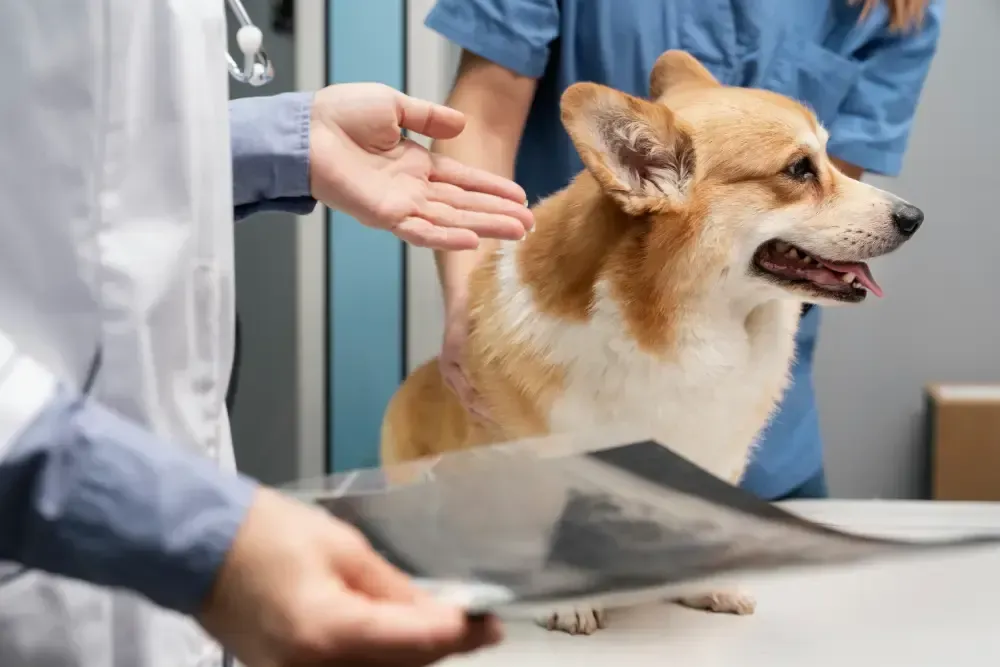
Before any surgery at our Jacksonville facility, a puppy undergoes a comprehensive physical exam and blood screening. We assess liver and kidney function to ensure the puppy can efficiently process the anesthetic agents. This baseline data is crucial for tailoring the dosage to the individual’s weight and metabolic rate.
Intraoperative Monitoring
During the procedure, we monitor vital signs including heart rate, oxygen saturation, and blood pressure. Because ear cropping is a detailed procedure that takes more time than a simple laceration repair, maintaining core body temperature and stable vitals is a top priority for our surgical team.
5. Pain Management and Puppy Comfort
One of the most frequent questions regarding Ear Cropping in Jacksonville concerns the level of discomfort the puppy will experience. We utilize a multimodal approach to pain management that begins before the first incision.
Local and Systemic Relief
We use local nerve blocks to "numb" the ear area entirely during the surgery. This allows us to maintain a lighter, safer level of general anesthesia. Following the surgery, long-acting pain medications and anti-inflammatories are administered to ensure the puppy is comfortable and ready to eat and play within hours of waking up.
The First 48 Hours
The most critical time for pain management is the first two days at home. Puppies are remarkably resilient, and with the correct medication schedule, most do not even realize they have had a procedure. The goal is to prevent the puppy from scratching or shaking their head, which can lead to swelling or hematomas.
6. The Art of "Posting" and Aftercare
The surgery is only 50% of the journey. The remaining 50% is the diligent aftercare and "posting" (tapping the ears into an upright position) that takes place over the following weeks or months.
The Healing Phase (Days 1–14)
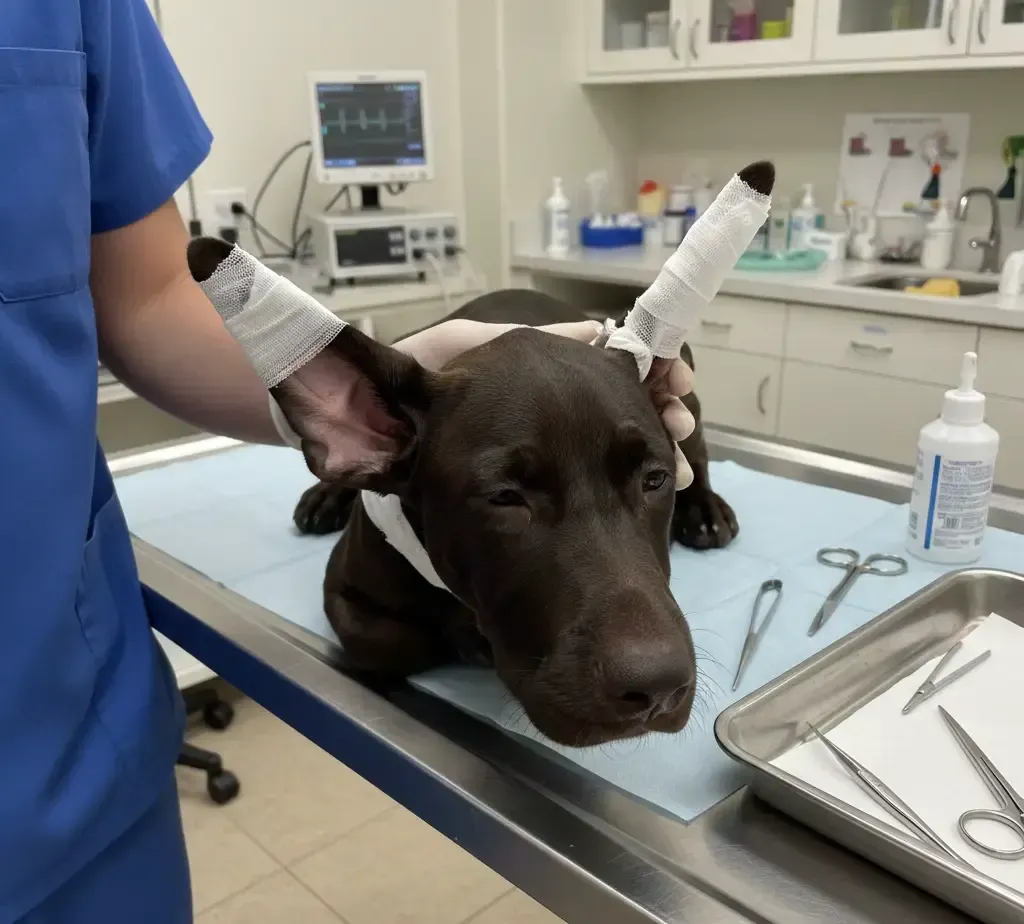
Immediately following surgery, the ears are usually taped to a "rack" or left to heal "up" without heavy pressure. The goal during these first two weeks is to allow the incision line to heal completely and for the sutures to be removed. No "posting" should occur until the scabs have fallen off and the skin is healthy.
The Posting Marathon
Once the incisions are healed, the ears are placed in "posts"—cylindrical supports that keep the ear vertical. This process must be repeated consistently. Depending on the breed and the length of the crop, posting can last from a few weeks to several months. A Great Dane with a long show crop will require much longer posting than a Pit Bull with a short crop.
7. Styles and Breed Standards
When discussing Ear Cropping in Jacksonville, it is important to match the style of the crop to the individual dog’s head shape and future size.
The Battle Crop
This is the shortest style, often seen in various Bully breeds. It provides a very sleek look and is the easiest to get to stand, as there is very little weight for the cartilage to support.
The Short/Sized Crop
Common for working dogs, this style leaves a bit more leather than the battle crop. it follows the natural curve of the ear and provides a balanced, alert appearance.
The Show Crop
The most challenging and elegant style, the show crop is long and requires a master’s hand. It is primarily used for Dobermans and Great Danes. This style requires the most commitment from the owner during the posting phase, as the long lever arm of the ear leather is difficult to support until the cartilage fully hardens.
8. Common Myths and Misconceptions
There is a significant amount of misinformation surrounding ear cropping. Addressing these myths is a key part of our educational mission at Normandy Animal Hospital.
Myth: "Cropping is only for fighting dogs."
This is a harmful stereotype. In reality, ear cropping has historical roots in preventing ear injuries in working dogs that navigate dense brush or protect livestock. Today, it is largely a breed standard for show and companionship, and it has no correlation with a dog’s temperament.
Myth: "It prevents all ear infections."
While some argue that increased airflow helps prevent certain types of infections, cropping is not a "cure" for ear issues. Dogs with cropped ears can still get infections if their canals aren't kept clean. The decision should be based on breed standards and personal preference rather than a guaranteed medical outcome.
9. Choosing the Right Surgeon in Jacksonville
Not every veterinarian is trained in the art of ear cropping. It is a specialized skill that requires years of experience to master the symmetry and shaping required for a beautiful result.
Questions to Ask
When researching Ear Cropping in Jacksonville, ask to see a portfolio of the surgeon's work. Ask about their anesthetic protocols and their philosophy on pain management. A reputable surgeon will be transparent about the risks and the level of commitment required from the owner during the aftercare phase.
The Importance of Symmetry
A "bad" crop is often characterized by a lack of symmetry. If one ear is slightly wider or shorter than the other, it becomes very apparent as the dog matures. This is why we take precise measurements during the surgical planning phase to ensure the ears are mirror images of one another.
10. The Financial Investment
Ear cropping is an elective surgical procedure, and the cost reflects the expertise of the surgeon, the quality of the anesthesia, and the follow-up care required.
What is Included?
A comprehensive quote for Ear Cropping in Jacksonville should include the pre-op exam, the surgery itself, anesthetic monitoring, pain medications, and the first few follow-up appointments for suture removal and initial taping.
Long-Term Value
While the initial cost is a consideration, a poorly performed crop can lead to expensive corrective surgeries or a lifetime of dissatisfaction with the dog's appearance. Investing in a skilled surgeon at the outset is the most cost-effective way to achieve the look you desire for your pet.
11. Preparing Your Puppy for Surgery
If you have decided to move forward with the procedure, there are steps you can take to prepare your puppy for a successful day.
Health and Vaccinations
Your puppy should be in good health and current on their initial round of vaccinations. An active infection or heavy parasite load can compromise the immune system’s ability to heal the surgical site efficiently.
Fasting Protocols
Like humans, puppies must fast before anesthesia to prevent complications. We provide specific instructions on when to pull food and water the night before the procedure.
12. Potential Complications and How to Avoid Them
While complications are rare when the procedure is performed by a professional, it is important to be aware of the possibilities.
Ear Not Standing
This is the most common "complication," and it is almost always due to improper or inconsistent posting. If an owner skips even a few days of taping during the critical hardening phase, the ears may fall.
Infection and Scarring
If the incision site is not kept clean and dry—particularly in the Jacksonville humidity—infection can occur. This can lead to thickened scar tissue that "puckers" the ear edge. Following the antibiotic and cleaning regimen strictly is the best defense.
13. The Ethics of Breed Tradition
The conversation around ear cropping has evolved in 2026. While some regions have moved away from elective surgeries, in the United States, it remains a protected right for owners who wish to adhere to established breed standards.
Professional Responsibility
At Normandy Animal Hospital, our responsibility is to provide a safe, sterile, and compassionate environment for those who choose this procedure. We believe that if an owner chooses to crop, it should be done by a licensed professional using modern medical standards rather than by an unqualified individual using "at-home" methods that cause unnecessary suffering.
The Owner's Commitment
We only perform ear cropping for owners who demonstrate a clear understanding of the aftercare required. A successful crop is a partnership between the vet and the owner.
14. Real-Life Scenarios: Why Results Vary
No two puppies heal exactly the same way. We often see two puppies from the same litter have different timelines for when their ears finally stand.
Case Study: The "Heavy-Eared" Bully
We once treated an American Bully with exceptionally thick ear leather. Despite a perfect surgical crop, his ears took nearly six months of posting to stand. His owner’s persistence was the key factor. Had they given up at three months, the ears would have remained "half-cocked."
Case Study: The "Quick-Healer" Doberman
Conversely, some Dobermans have thin, light cartilage that stands within two weeks of suture removal. While this is the ideal scenario, it is not something that can be guaranteed. Every dog's genetics play a role in the hardening of the cartilage.
15. The Role of Nutrition in Healing
What you feed your puppy during the recovery phase can impact how quickly the skin heals and how strong the cartilage becomes.
High-Quality Protein
Skin is made of protein. Feeding a high-quality, growth-formula puppy food ensures that the body has the building blocks necessary to repair the surgical incisions with minimal scarring.
Calcium and Minerals
While you should never over-supplement calcium (which can cause skeletal issues), ensuring your puppy is on a balanced large-breed or regular puppy diet is essential. The minerals in the food are what eventually "calcify" the ear cartilage, giving it the strength to stand upright.
16. Life After the Crop: Maintenance
Once the ears are standing and the posting is finished, your dog’s ears are relatively low-maintenance.
Sun Protection
In Jacksonville, the sun is intense. The edges of cropped ears can be susceptible to sunburn, especially in dogs with light-colored coats. On very bright days at the beach or the park, a pet-safe sunscreen applied to the ear tips can prevent discomfort.
Regular Cleaning
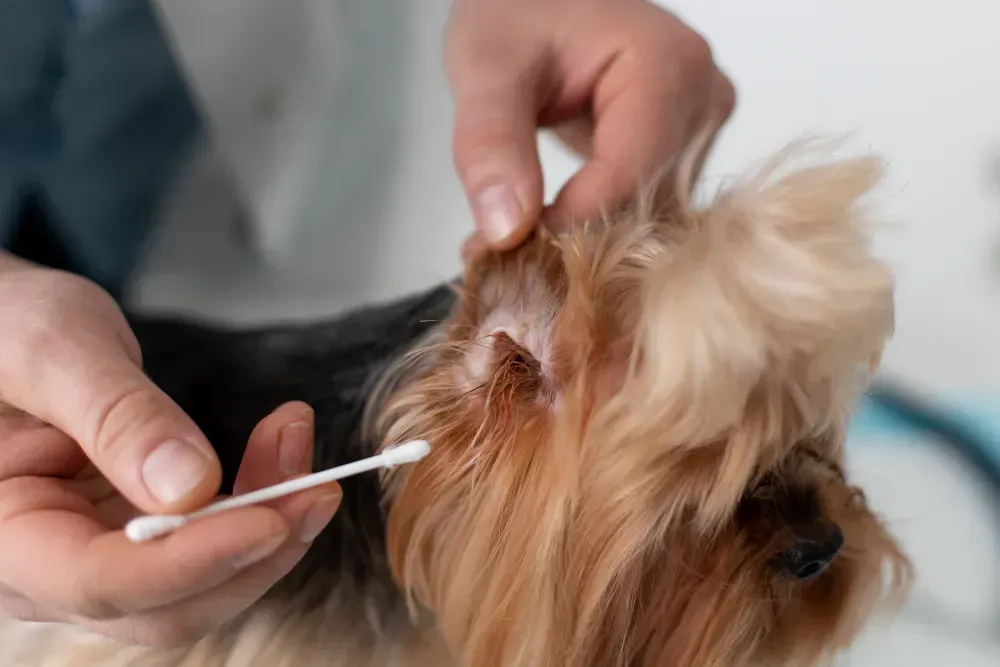
Because the ear canal is now more "open" to the environment, you may notice more dust or debris accumulating in the ear. A gentle weekly cleaning with a vet-approved solution will keep the ears healthy and odor-free.
17. Why Normandy Animal Hospital is the Preferred Choice
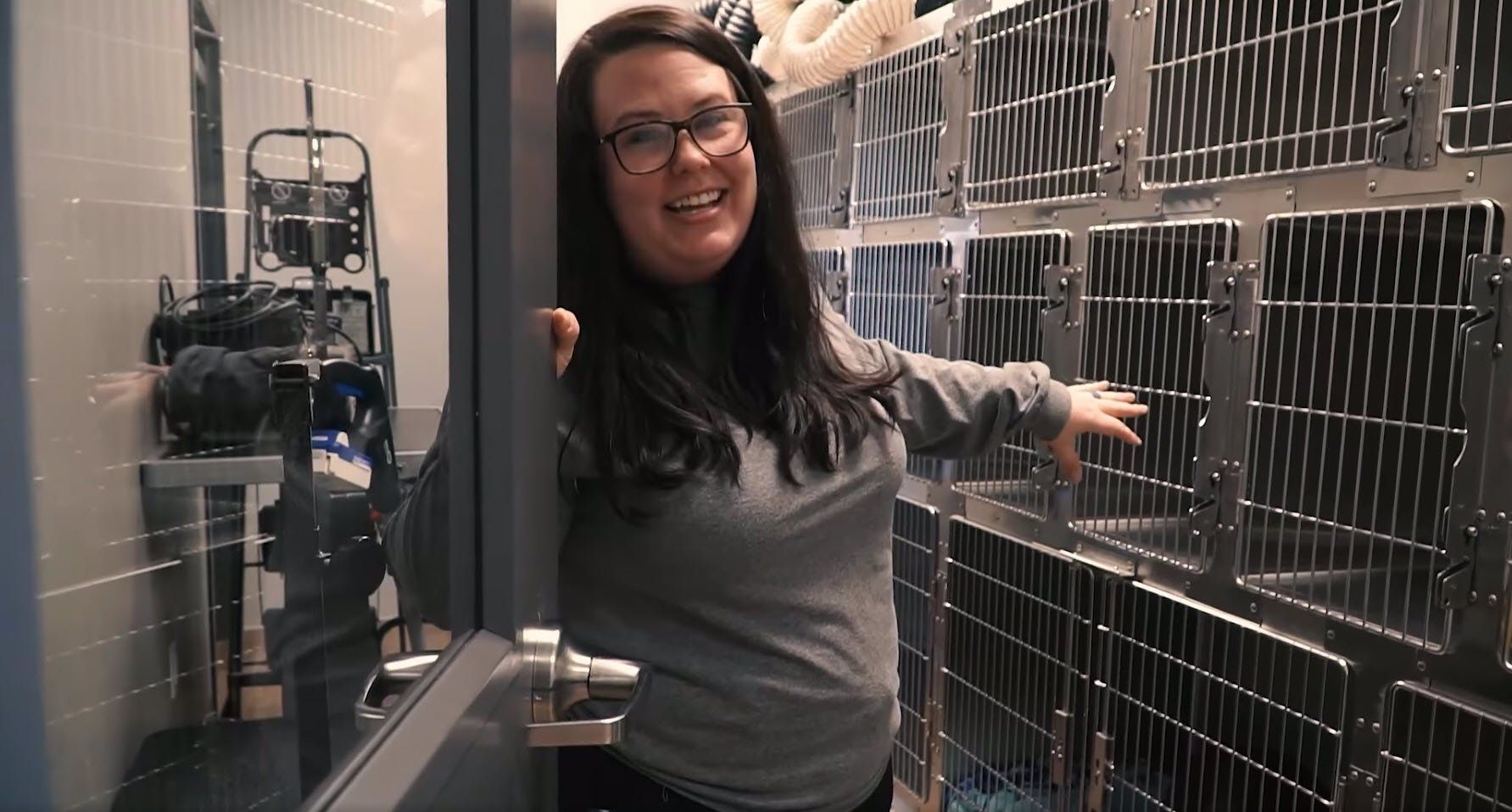
When you choose us for Ear Cropping in Jacksonville, you are choosing a team that treats your puppy like our own. Our facility at Normandy Animal Hospital is designed to provide a stress-free environment for both the pets and their owners.
Continuity of Care
We don't just do the surgery and send you away. we are here for every tape change, every concern, and every milestone. Our goal is to see your dog grow into a healthy, beautiful representative of their breed.
18. Conclusion: A Silhouette of Excellence
The decision to seek out Ear Cropping in Jacksonville is one that will define your dog’s appearance for the rest of their life. It is a journey that requires patience, commitment, and a high level of surgical skill. By understanding the biological timelines, the environmental factors of our Florida climate, and the necessity of diligent aftercare, you can ensure that your puppy achieves the classic, alert look that is so highly valued in their breed.
At Normandy Animal Hospital, we are proud to be a part of this tradition, providing a modern medical framework for a time-honored practice. We invite you to explore our Homepage to learn more about our commitment to veterinary excellence. When you are ready to take the next step, our team is here to guide you through the process with transparency, skill, and compassion.
Your dog’s silhouette is a testament to their heritage. Let us help you shape it with the precision and care it deserves.