Is it safe to take dogs camping?

Grant Tanner • July 15, 2021

It is camping season! We know you’re itching to get out of the house this summer...but let’s make sure your pet (and other family members) don’t end up itching after going on that trip.


How can I prepare for my camping trip?


  1. Check the pet policy. Most places post their pet policy online, but it is best to call the campsite individually to ensure it is up to date and get more information. Each campsite, park, beach, and hiking trail can have different rules and regulations. However, most campgrounds require your pet to be up to date on all their vaccinations, which is why we recommend the next item.
  2. Schedule a veterinary appointment before you go. In addition to making sure your furry family members are healthy enough for the trip, it is also important to get them vaccinations (see step 1), make sure they are up to date with their flea and tick prevention, refill any medications or special food items, and get any updated medical records you may need to have on hand for the campsite.
  3. Create a packing list. There’s nothing worse than arriving at your campsite and realizing you don’t have your pet’s medication, leash, or required documentation to be on site. Make a list well before travel day to ensure you have a relaxing trip with the family. Here are a few key things you don’t want to forget:
  • current picture of your pet
  • vet records
  • medical information
  • extra towels
  • first-aid kit with items for your whole family – including your pet 
  • (Ask us about pet specific items you will need to bring to ensure no necessities will be forgotten)


How to keep your pet safe during the trip.


Once you start your trip, never leave your pets alone. This includes the car, campsite, and during all activities. Your pet could be perfectly behaved, but other animals and people could act unexpectedly. You also probably have a lot of equipment and supplies in your car, which your pet could get into if you are not there. Additionally, there is always the potential for overheating in a vehicle, which happens much faster than you imagine.


Dehydration is something you need to look out for in all your pet family members. Signs of it vary with different kinds of pets, but a few signs to look out for are weakness, disorientation, agitation, throwing up, and fatigue.


Only bring out food during meals and completely clean up food scraps and dishes.

This goes for pets and humans. Food can attract wild animals, anything from racoons to bears. In general, you do not want to leave a trace.


What should I do before I leave my camping site?


Always take extra care checking the surroundings for anything out of place before leaving. This is in respect to the campsite, the campers staying next, any animals that live in the area, and to preserve nature. Cleaning up after your entire party should be a priority always when outside.

By Michael Rayburn February 2, 2026
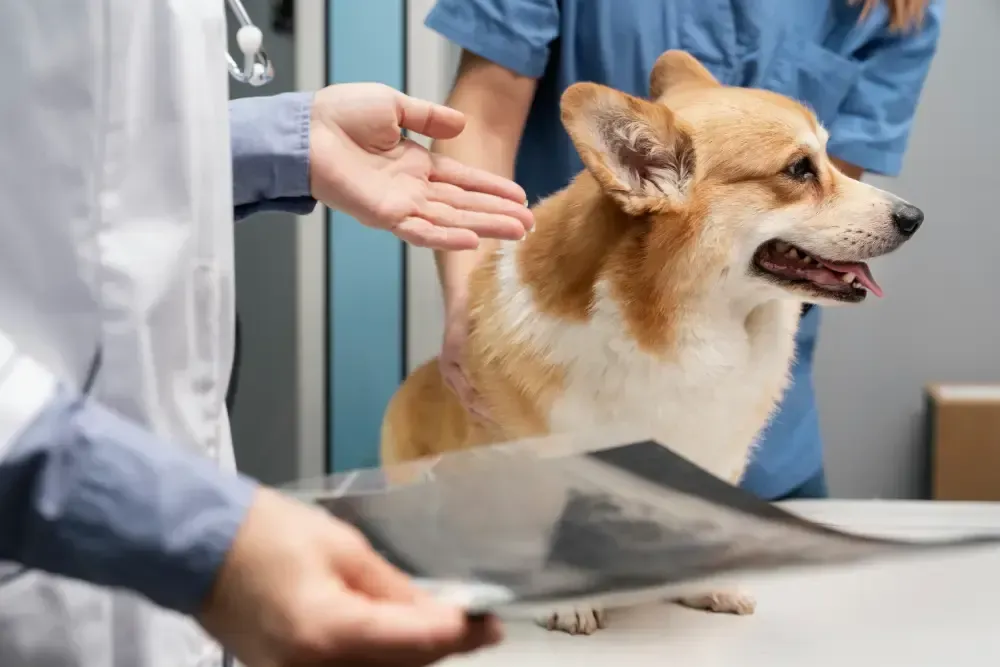
Leaving your dog in someone else’s care can feel stressful. After all, your furry friend is a member of your family. At Normandy Animal Hospital in Jacksonville, FL, dog safety, health, and happiness are top priorities. Their professional veterinary team, clean and secure boarding facilities, and individualized care make them a trusted choice for pet owners in Jacksonville and beyond. In this article, we’ll explore how Normandy ensures every dog stays healthy and comfortable during boarding, including veterinary care, hygiene practices, nutrition, exercise, and stress management. We’ll also explain why choosing Normandy means peace of mind for you and the best care for your dog. Expertise You Can Trust Normandy Animal Hospital has been serving Jacksonville for years, providing high-quality veterinary care. Their team includes licensed veterinarians and experienced veterinary technicians who specialize in caring for dogs of all ages and breeds. Expertise is key to keeping dogs safe during boarding. Before any dog stays at Normandy, their medical history is reviewed, and any health concerns are addressed. Dogs receive wellness checks, vaccinations, and preventive care as needed. This ensures that every dog enters boarding in good health, reducing the risk of illness during their stay. Veterinary expertise also includes recognizing subtle signs of stress or discomfort. Staff at Normandy are trained to notice changes in behavior, appetite, or activity levels. Quick responses help prevent minor issues from turning into major health problems. By relying on licensed professionals, Normandy signals EEAT—expertise, authoritativeness, and trustworthiness—giving dog owners confidence that their pets are in capable hands. Clean and Comfortable Boarding Facilities A safe boarding experience begins with the environment. Normandy Animal Hospital’s boarding facilities in Jacksonville are designed to be clean, comfortable, and secure. Each boarding suite is: Spacious, allowing dogs to move freely and rest comfortably Temperature-controlled, ensuring comfort in all seasons Sanitized regularly, preventing the spread of germs and disease Cleanliness is not just about appearances—it directly impacts dog health. Normandy maintains daily cleaning routines for kennels, play areas, and common spaces. They use pet-safe cleaning products to ensure the environment is safe for every dog. The hospital also offers separate areas for different sizes or temperaments of dogs. This prevents stress and ensures each dog receives the space they need. Dogs that prefer quiet areas have peaceful accommodations, while more active dogs can enjoy safe play areas. Health Monitoring During Boarding At Normandy, dogs are not simply watched—they are cared for by trained veterinary professionals. Health monitoring is continuous and includes: Daily wellness checks, including appetite, hydration, and behavior Observation for stress or anxiety, with interventions when needed Medication administration, for dogs with chronic conditions or prescriptions Health monitoring helps prevent problems from escalating. If a dog shows signs of illness or injury, the veterinary team acts immediately. This includes providing treatment or alerting the owner if necessary. Vaccinations are required before boarding, ensuring all dogs are protected against common contagious diseases. This protects both the boarding dog and others in the facility, creating a safe community environment. Stress-Free Boarding Experience Leaving home can be stressful for dogs, but Normandy takes steps to make boarding enjoyable and calming. Their approach includes: Routine maintenance, such as feeding and exercise schedules similar to home Social interaction with staff and other dogs when appropriate Enrichment activities like gentle play and mental stimulation Maintaining familiar routines helps dogs feel secure. Stress reduction is not just about comfort—it also supports physical health, since anxious dogs are more prone to digestive issues, suppressed immunity, and behavioral problems. Normandy’s staff knows that each dog reacts differently to boarding. Shy or older dogs receive extra attention and quiet time, while playful dogs benefit from supervised socialization. This individualized approach ensures a positive experience for all dogs. Personalized Care for Dogs with Special Needs Some dogs require more attention due to age, medical conditions, or post-surgery recovery. Normandy Animal Hospital is equipped to handle: Medication administration, ensuring every dose is timely and correct Monitoring chronic conditions, like diabetes or arthritis Adjustments for older dogs, including softer bedding and shorter exercise sessions The hospital’s ability to care for dogs with special medical needs highlights their expertise and trustworthiness. Pet owners can feel confident that their dog’s health will not be compromised during boarding. Nutrition and Exercise Proper nutrition and regular exercise are essential for keeping dogs healthy while boarding. Normandy provides: Balanced meals, tailored to each dog’s dietary needs Special diet accommodations, including prescription or allergy-friendly foods Scheduled exercise, including walks and play sessions Daily exercise not only maintains physical health but also reduces anxiety and destructive behavior. By combining exercise with mental enrichment activities, Normandy ensures dogs remain happy and active during their stay. Veterinary Oversight and Emergency Readiness One of the most important factors in safe boarding is veterinary oversight. Normandy Animal Hospital provides round-the-clock care, ensuring that any medical issue is promptly addressed. Staff are trained in emergency procedures, from minor injuries to sudden illnesses, giving owners peace of mind that their dog is protected at all times. Emergency preparedness includes: On-site veterinary professionals Immediate access to medical equipment Protocols for quick communication with owners Ability to coordinate specialized care if needed This attention to detail demonstrates Normandy’s authoritative role in pet healthcare and sets it apart as a leader in dog boarding services. Safety Protocols at Normandy Animal Hospital Safety is a priority in every aspect of boarding at Normandy. The hospital follows strict protocols, including: Controlled access to boarding areas to prevent accidental escapes Secure kennels and suites to protect dogs at all times Daily health assessments to detect any problems early Vaccination verification to prevent disease spread Supervised play and exercise to reduce accidents By following these protocols, Normandy minimizes the risk of illness, injury, and stress for every dog. Communication with Pet Owners Normandy believes in keeping pet owners connected with their dogs, even when apart. They provide: Daily updates on meals, exercise, and behavior Photos or short reports to reassure owners Clear communication if any health concerns arise Transparency strengthens trust and helps owners feel confident about leaving their pets in Normandy’s care. This focus on communication is an important CRO strategy, encouraging repeat visits and referrals. Step-by-Step Boarding Process at Normandy Normandy has a clear and organized boarding process designed to ensure dog safety and comfort: Initial Consultation: Owners provide medical history, dietary needs, and temperament information. Health Verification: Staff check vaccinations, medications, and wellness status. Acclimation: Dogs are introduced to their boarding suite to reduce stress. Daily Care: Includes feeding, exercise, enrichment activities, and health monitoring. Owner Updates: Staff provide regular communication on dog’s progress. Pick-Up: Dogs leave happy and healthy, with follow-up recommendations if needed. This structured process guarantees that nothing is overlooked and every dog receives personalized attention. Common Dog Behaviors During Boarding Understanding dog behavior helps Normandy staff provide better care. Common behaviors include: Separation anxiety, which is managed with gentle attention and familiar routines Excitement or energy bursts, addressed with safe play and exercise Appetite changes, monitored to ensure nutrition and hydration Normandy’s staff is trained to recognize and respond to these behaviors, supporting both mental and physical health. Preparing Your Dog for Boarding To make boarding easier, Normandy recommends: Bringing familiar items, like a favorite blanket or toy Maintaining regular routines before arrival Providing detailed medical and dietary information Preparation helps dogs adjust quickly and ensures the staff can provide the best possible care. Why Choose Normandy Animal Hospital in Jacksonville? Choosing Normandy means choosing peace of mind. Key reasons include: Licensed veterinarians and skilled technicians Clean, secure, and comfortable boarding suites Personalized care for every dog Nutrition and exercise tailored to each dog Vigilant health monitoring and emergency readiness Transparent communication with pet owners These factors combine to create an environment where dogs thrive and owners feel confident leaving their pets. Conclusion Boarding your dog doesn’t have to be stressful. At Normandy Animal Hospital, every dog is treated with love, respect, and professional care. Their commitment to safety, health, and happiness ensures a positive experience for both dogs and owners. From veterinary oversight and emergency preparedness to individualized care and enrichment, Normandy sets the standard for dog boarding in Jacksonville, FL. When you choose Normandy, you’re not just leaving your dog in a kennel—you’re giving them a second home, where every tail wags with joy and every paw is cared for with expertise. For pet owners in Jacksonville, Normandy Animal Hospital is the trusted choice for safe, healthy, and happy dog boarding. Your dog deserves the best, and Normandy delivers.
By Michael Rayburn February 2, 2026
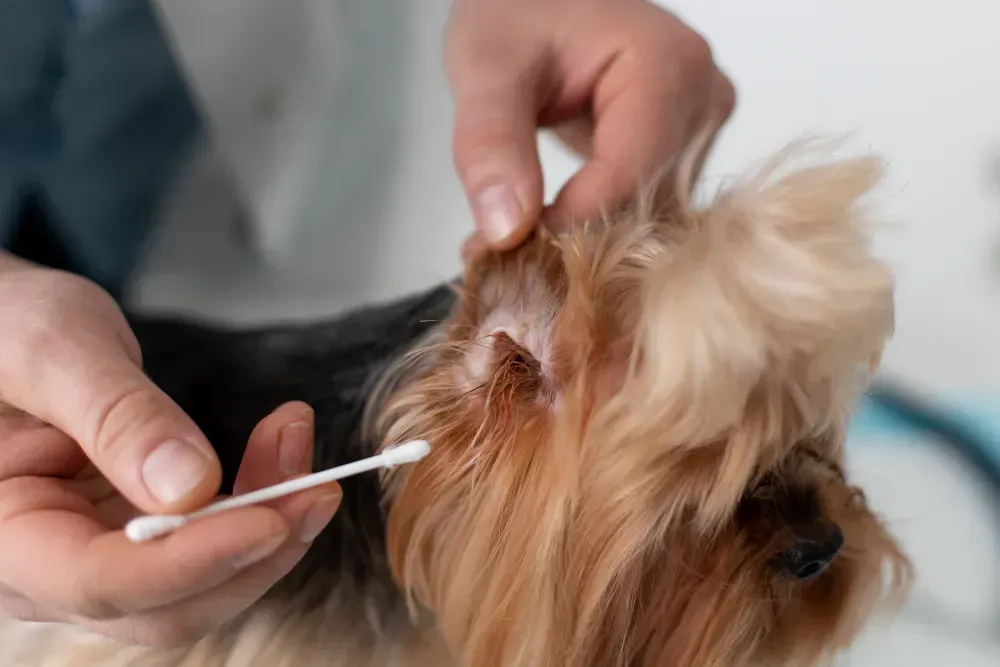
If you are a pet parent in Jacksonville, FL, you want the best for your furry friend. Dogs aren’t just pets—they are family. Finding a dog groomer who also cares deeply about your pet’s overall health is not always easy. That’s where Normandy Animal Hospital comes in. Unlike many grooming salons, Normandy Animal Hospital offers a full spectrum of veterinary care while providing top-notch grooming services. This combination sets them apart from other dog groomers in Jacksonville. A Trusted Name in Jacksonville, FL Normandy Animal Hospital has been serving the Jacksonville community for years. Their commitment to pet health, safety, and comfort makes them a trusted name for pet owners. They are more than just groomers; they are a full-service animal hospital with experienced veterinarians, skilled technicians, and compassionate staff. Their Jacksonville location is designed to make every visit comfortable for pets and easy for owners. From the moment you walk in, you notice their clean and welcoming environment. It’s not just about grooming—it’s about creating a safe space where pets can relax while receiving professional care. Expert Veterinary Care That Builds Trust One major difference between Normandy Animal Hospital and typical dog groomers is their expert veterinary care. Every pet that comes in for grooming has access to medical professionals who can monitor their health. This means grooming is not just about looks—it’s about wellness. Experienced Veterinarians: The hospital has licensed veterinarians who can check your dog’s overall health during grooming appointments. Skilled Technicians: Grooming is done by trained staff who understand pet behavior and can safely handle dogs of all sizes and temperaments. Preventive Health: Grooming appointments often double as wellness checks, spotting potential issues early. By integrating veterinary expertise with grooming, Normandy Animal Hospital ensures that your dog leaves looking great and feeling healthy. This combination is something you won’t find at most standalone grooming salons. Comprehensive Grooming Services At Normandy Animal Hospital, grooming is more than a haircut. Their services are designed to meet every pet’s unique needs. Bathing and Brushing: Gentle shampoos and thorough brushing to maintain healthy skin and coat. Haircuts and Styling: Customized grooming based on your dog’s breed, size, and lifestyle. Nail Trimming and Paw Care: Healthy nails prevent discomfort and potential injuries. Ear Cleaning and Care: Regular ear maintenance prevents infections. Special Care for Sensitive Pets: Some dogs are nervous or sensitive; Normandy’s staff handles these pets with patience and care. Unlike many dog groomers in Jacksonville, Normandy Animal Hospital uses grooming as part of overall pet wellness. Each session is monitored to ensure your dog is comfortable, safe, and stress-free. Beyond Grooming: Full-Service Veterinary Care Normandy Animal Hospital is a full-service veterinary hospital. This means you get more than just a nice haircut for your dog. Some of the services offered include: Preventive Care: Vaccinations, wellness exams, and parasite prevention. Dental Health: Teeth cleaning and dental exams to prevent long-term health problems. Diagnostics: On-site lab work, X-rays, and other diagnostic tools to quickly identify issues. Surgery: Safe surgical procedures performed by experienced veterinarians. Emergency and Urgent Care: Quick response to accidents or sudden illnesses. This comprehensive approach ensures that pets aren’t just groomed—they are healthy from nose to tail. Personalized Care for Every Pet One size does not fit all when it comes to pet care. Normandy Animal Hospital takes the time to understand each pet’s personality, health needs, and comfort level. Grooming sessions are tailored to reduce stress and ensure pets enjoy their visit. They also provide educational guidance for owners, offering tips on at-home grooming, dental care, and nutrition. This personalized attention creates trust between staff, pets, and owners—a major reason why Normandy stands out in Jacksonville. Convenient and Affordable Services For many pet owners, convenience matters. Normandy Animal Hospital offers flexible scheduling, easy check-ins, and competitive pricing. This ensures that keeping your pet healthy and well-groomed fits into your busy lifestyle. The hospital also has an online presence where clients can learn about services, check operating hours, and contact staff directly. This transparency makes it easy for pet owners to choose Normandy over other grooming options. A Reputation Built on Care and Expertise Client testimonials show why Normandy Animal Hospital is trusted in Jacksonville. Many pet owners highlight the staff’s compassion, professionalism, and skill. The combination of veterinary care with grooming gives pet owners peace of mind. “They always treat my dog like family.” “The grooming staff is gentle, and the vets are thorough.” “I can get my dog groomed and checked medically in one visit—so convenient!” These reviews reflect the hospital’s commitment to quality, safety, and pet wellness, which is a strong EEAT signal for both clients and search engines. Why Choose Normandy Animal Hospital Over Other Dog Groomers in Jacksonville? There are many dog groomers in Jacksonville, but Normandy Animal Hospital offers unique benefits: Veterinary Expertise: Grooming is supervised by trained medical professionals. Comprehensive Services: From grooming to emergency care, all services are under one roof. Stress-Free Grooming: Tailored care ensures pets are calm and happy. Community Reputation: Trusted by local pet owners for years. Convenience: Flexible scheduling, competitive pricing, and online information make visits easy. Health-Focused Approach: Grooming is integrated with preventive health checks. Other dog groomers may provide good grooming, but few combine it with medical care and a wellness-first approach. Normandy Animal Hospital ensures that your dog is not only looking great but is truly healthy. Caring for Every Breed and Temperament From small lap dogs to larger breeds, Normandy Animal Hospital has experience with all sizes and temperaments. Sensitive or anxious dogs receive extra care to make grooming a positive experience. Staff are trained to handle pets gently while maintaining professional grooming standards. Education and Guidance for Pet Owners Normandy Animal Hospital doesn’t stop at grooming or treatment—they educate pet owners. Guidance on home grooming, dental care, nutrition, and behavioral issues helps pets stay healthy between visits. This educational focus is another EEAT signal, showing expertise and authority in veterinary care. A Safe, Clean, and Comfortable Environment Safety and cleanliness are top priorities at Normandy Animal Hospital. Grooming areas are sanitized regularly, and all equipment is designed to be safe for pets. Comfort measures like gentle handling, calm interactions, and patient staff help make grooming enjoyable rather than stressful. Community Involvement in Jacksonville Normandy Animal Hospital is proud to be part of the Jacksonville community. By participating in local events, supporting animal welfare initiatives, and building relationships with pet owners, the hospital strengthens its connection to the community. This local focus shows authority and trustworthiness, two important EEAT components. Combining Convenience with Quality Time-saving features like combined grooming and wellness visits mean less hassle for pet owners. Instead of separate trips to a groomer and veterinarian, Normandy Animal Hospital allows you to handle all pet needs in one visit. This convenience enhances the customer experience and encourages repeat visits, a key aspect of conversion rate optimization (CRO). Conclusion: The Normandy Difference When choosing a dog groomer in Jacksonville, FL, consider more than just a haircut. Normandy Animal Hospital combines expert veterinary care with professional grooming, personalized service, and community trust. They provide a safe, comfortable, and comprehensive environment where pets can thrive. With years of experience, a skilled team, and a full spectrum of pet services, Normandy Animal Hospital is more than a grooming salon—it’s a place where pets are family, and their health and happiness come first. If you want the best care for your dog in Jacksonville, from grooming to full veterinary services, Normandy Animal Hospital is the place to go. Your pet will leave looking great, feeling healthy, and ready for their next adventure.
By Michael Rayburn January 13, 2026
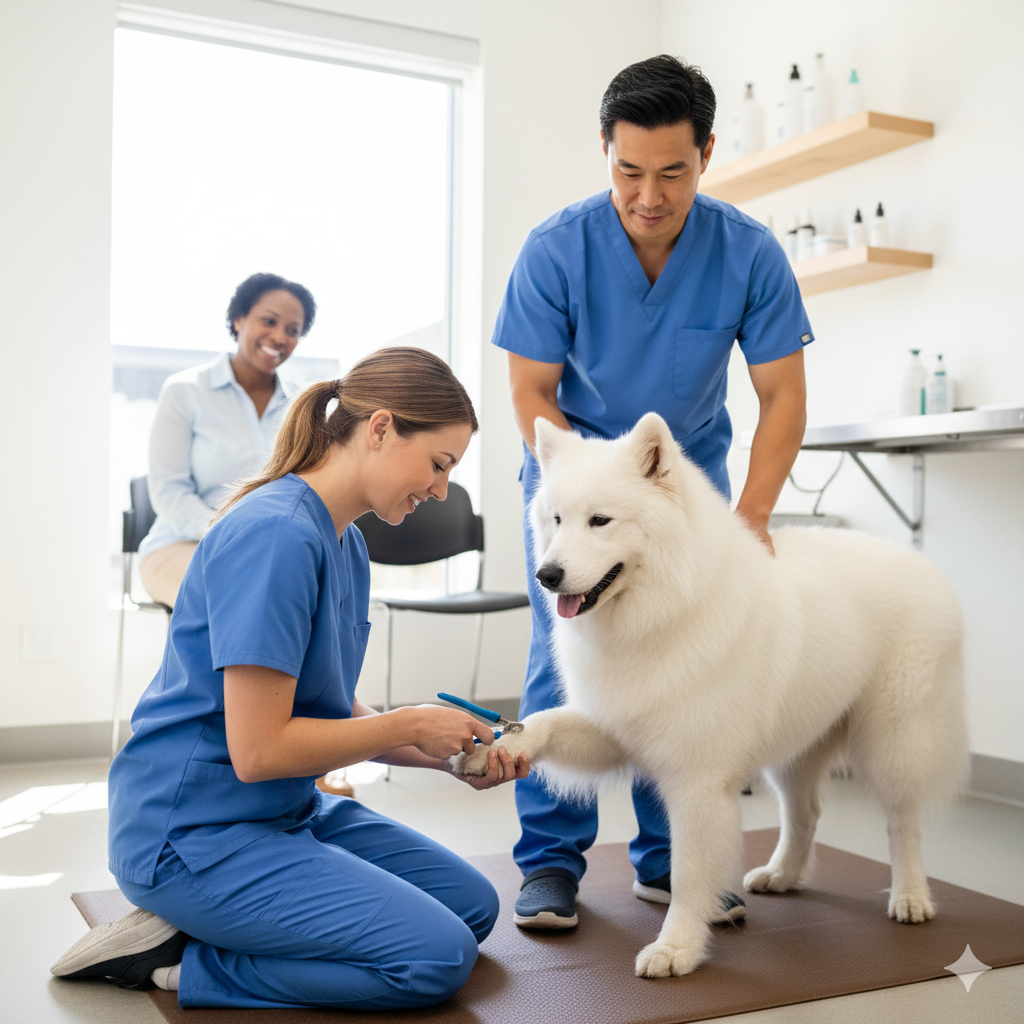
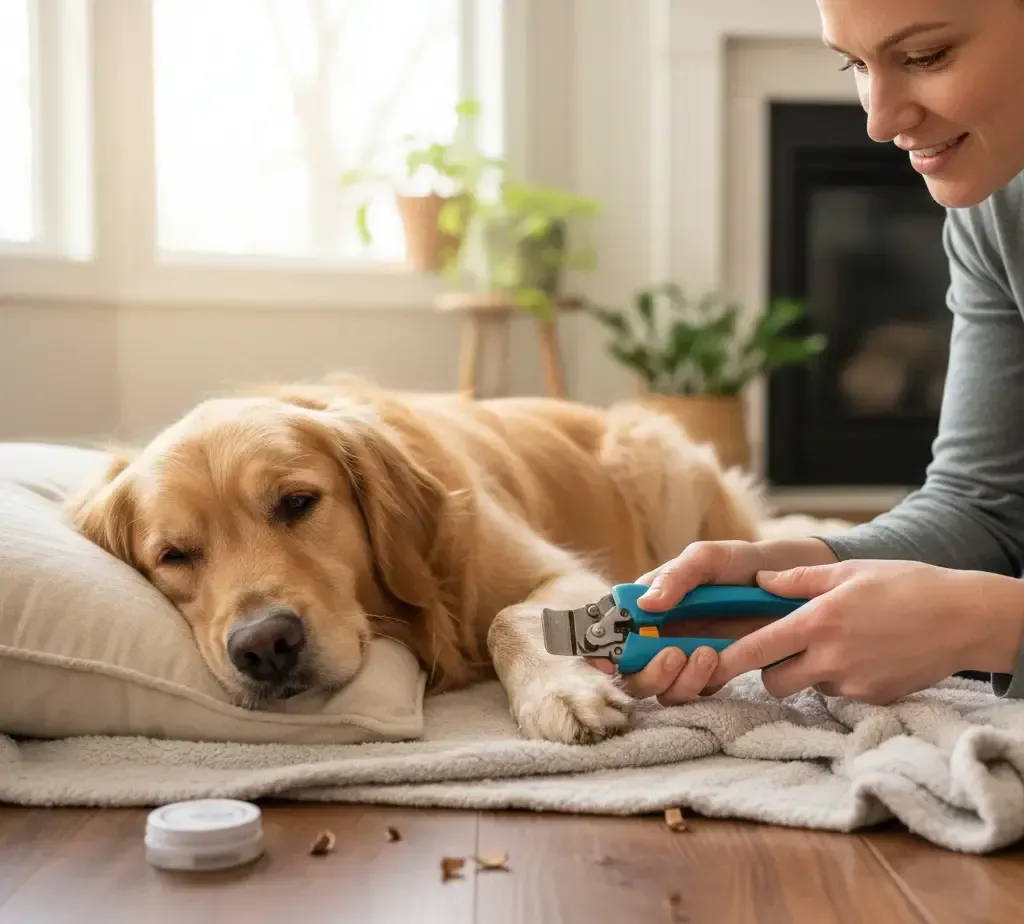
When we consider the pillars of responsible pet ownership, vaccinations and nutrition often take center stage. However, there is a fundamental layer of maintenance that directly influences a pet's daily comfort and long-term physical health. In the humid, sandy environment of Northeast Florida, the trio of Nail Trimming, Baths, & Anal Gland Expression represents more than just a grooming routine; it is a clinical necessity for the modern pet. At Normandy Animal Hospital , we observe that many households in our community struggle with these tasks at home. Whether it is a dog that becomes anxious at the sight of clippers or a cat that resists the bathtub, the challenges are real. In 2026, the standard of care has evolved to prioritize low-stress handling and technical precision. This guide explores how these three essential services safeguard your companion’s health and why professional intervention is often the most compassionate choice for your pet. 1. The Biomechanics of the Paw: Why Nail Trimming is Non-Negotiable A dog’s paws are marvels of biological engineering, designed to provide traction, shock absorption, and sensory feedback. However, this system relies entirely on proper nail length. When nails are neglected, the entire skeletal alignment of the animal is compromised. The Anatomy of the Quick Inside every nail is the "quick," a living bundle of blood vessels and nerves. In a neglected nail, the quick grows longer, making it increasingly difficult to trim the nail back to a healthy length without causing pain or bleeding. Professional Nail Trimming, Baths, & Anal Gland Expression services utilize a technique called "incremental trimming" to encourage the quick to recede over time, eventually restoring the paw to its natural, tight shape. Skeletal Realignment and Arthritis When a nail makes constant contact with the hard surfaces typical of Jacksonville homes—such as tile or hardwood—it pushes the nail back into the digit. This forces the pet to alter their gait, shifting their weight to the hindquarters or splaying the toes. Over months and years, this mechanical stress leads to premature arthritis in the carpal (wrist) joints and the spine. By maintaining short nails, we ensure the weight is distributed through the paw pads, exactly as nature intended. 2. Dermatological Defense: The Role of Professional Baths The climate in Jacksonville is a significant factor in pet skin health. With high humidity and a year-round allergy season, a pet’s coat acts as a magnet for environmental irritants. Removing the "Allergen Load" For pets in our region, the coat traps pollen, mold spores, and dust. When these particles sit against the skin, they trigger a cascade of inflammation known as atopic dermatitis. A professional bath is not merely about removing dirt; it is about "de-bulking" the allergen load. We use pH-balanced, medical-grade surfactants that strip away pollutants without destroying the delicate acid mantle of the skin. Sandy Soil and Secondary Infections The sandy soil found in many local yards is abrasive. When sand particles get trapped in the fur near the skin, they cause micro-abrasions. In our humid 2026 environment, these tiny scratches quickly become breeding grounds for Staphylococcus or yeast. A thorough, deep-cleansing bath ensures that these irritants are flushed out, preventing the "hot spots" that frequently plague local dogs during the summer months. 3. The Science of Scent Glands: Understanding Anal Gland Expression Perhaps the most misunderstood aspect of pet hygiene is the maintenance of the anal sacs. These two small glands, located just inside the rectum, produce a strong-smelling fluid used for territorial marking. The Mechanism of Natural Expression In a perfect biological scenario, the pressure of a firm stool during defecation naturally empties these sacs. However, due to modern diets, sedentary lifestyles, or individual anatomy, many pets fail to express these glands on their own. When the fluid remains in the sac, it thickens, becoming "impacted." Prevention of Abscesses and Ruptures An impacted gland is highly uncomfortable, leading to the classic "scooting" behavior across the carpet. If left unaddressed, the gland can become infected, forming an abscess that may eventually rupture through the skin. Professional Nail Trimming, Baths, & Anal Gland Expression involves manual palpation to ensure the sacs are empty and the fluid is of a healthy consistency. This preventative step saves the pet from significant pain and the owner from expensive surgical repairs. 4. The Localization Factor: Why Jacksonville Pets Need More Frequent Care Every geographic region has its own "hygiene hurdles." In Northeast Florida, our environment dictates a more rigorous schedule than in more temperate climates. Year-Round Parasite Pressure Because we do not experience a sustained deep freeze, fleas and ticks are a constant presence. A professional bath provides an opportunity for a "nose-to-tail" parasite check. Identifying a single flea during a bath can prevent a full-blown infestation in your home. Humidity and "Frito Feet" The yeast Malassezia thrives in our humidity. This is the organism responsible for the "corn chip" smell often associated with a dog's paws. Regular baths and paw sanitization are essential to keep yeast populations under control, preventing the itchy, red skin that leads to obsessive licking and self-trauma. 5. The Professional Edge: Safety and Technical Accuracy While many pet owners attempt these tasks at home, there is a distinct advantage to having them performed in a clinical setting like Normandy Animal Hospital . Stress Mitigation Strategies In 2026, we utilize "Fear Free" techniques. This means we understand the body language of dogs and cats. If a pet is terrified of the dryer or the clippers, we don't use force. We use distraction, non-slip surfaces, and, if necessary, medical sedation to ensure the experience doesn't traumatize the animal. Early Detection of Pathologies A bath is the best time to find a new lump, a hidden tick, or a skin lesion. When our trained staff performs Nail Trimming, Baths, & Anal Gland Expression , they are performing a mini-wellness exam. We have frequently identified ear infections or dental issues while the pet was in the tub, allowing for early intervention before the problem became a crisis. 6. Myths and Misconceptions in Pet Hygiene As information spreads online, several myths have gained traction that can actually harm your pet. Myth: "Bathing too often ruins the coat." This was true decades ago when harsh detergents were the norm. Modern, high-quality pet shampoos are designed for frequent use. For pets with allergies, weekly baths are often a primary treatment modality. Myth: "If my dog scoots, it's definitely worms." While parasites can cause itching, the vast majority of scooting in 2026 is related to anal gland discomfort. Treating for worms when the glands are impacted will not solve the problem and delays necessary relief. 7. The Relationship Between Diet and Hygiene What goes into your pet directly affects their hygiene needs. Fiber and Anal Gland Health Pets on low-residue diets often have softer stools. These stools don't provide the necessary pressure to empty the anal sacs. Incorporating specific fibers can help firm the stool, aiding in natural expression. Fatty Acids and Coat Quality A brittle, dry coat that requires constant bathing may actually be a sign of an Omega-3 deficiency. During your visit to our Homepage , we can discuss nutritional supplements that improve the skin's barrier function, making our bathing services even more effective. 8. Financial and Emotional Longevity Regular maintenance is a form of "preventative insurance." Nails: Prevent the thousand-dollar orthopedic surgeries caused by long-term gait changes. Baths: Prevent the chronic skin infections that require expensive antibiotics and steroids. Anal Glands: Prevent the emergency visits required for ruptured abscesses. By investing in regular Nail Trimming, Baths, & Anal Gland Expression , you are ensuring that your pet remains active and comfortable well into their senior years. 9. Conclusion: A Commitment to Comfort In the busy world of 2026, it is easy to overlook the "small" things like a long nail or a slightly smelly coat. However, these small things are the foundation of your pet’s daily experience. At Normandy Animal Hospital , we take pride in providing these essential services with the medical authority and compassion your pet deserves. We invite you to view these hygiene tasks not as chores, but as vital components of a healthy life. Our team is here to handle the "dirty work" with professional skill, ensuring your pet returns to you clean, comfortable, and healthy.
By Michael Rayburn January 13, 2026
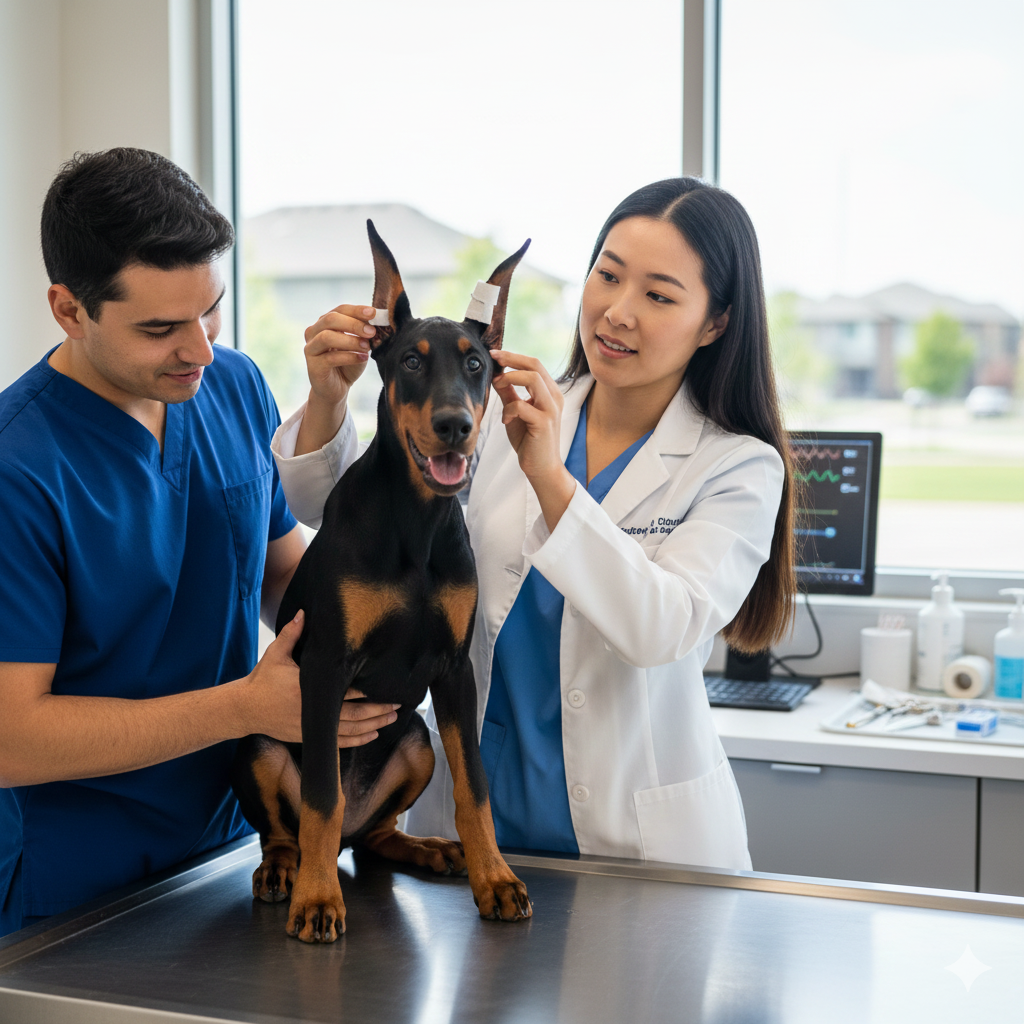
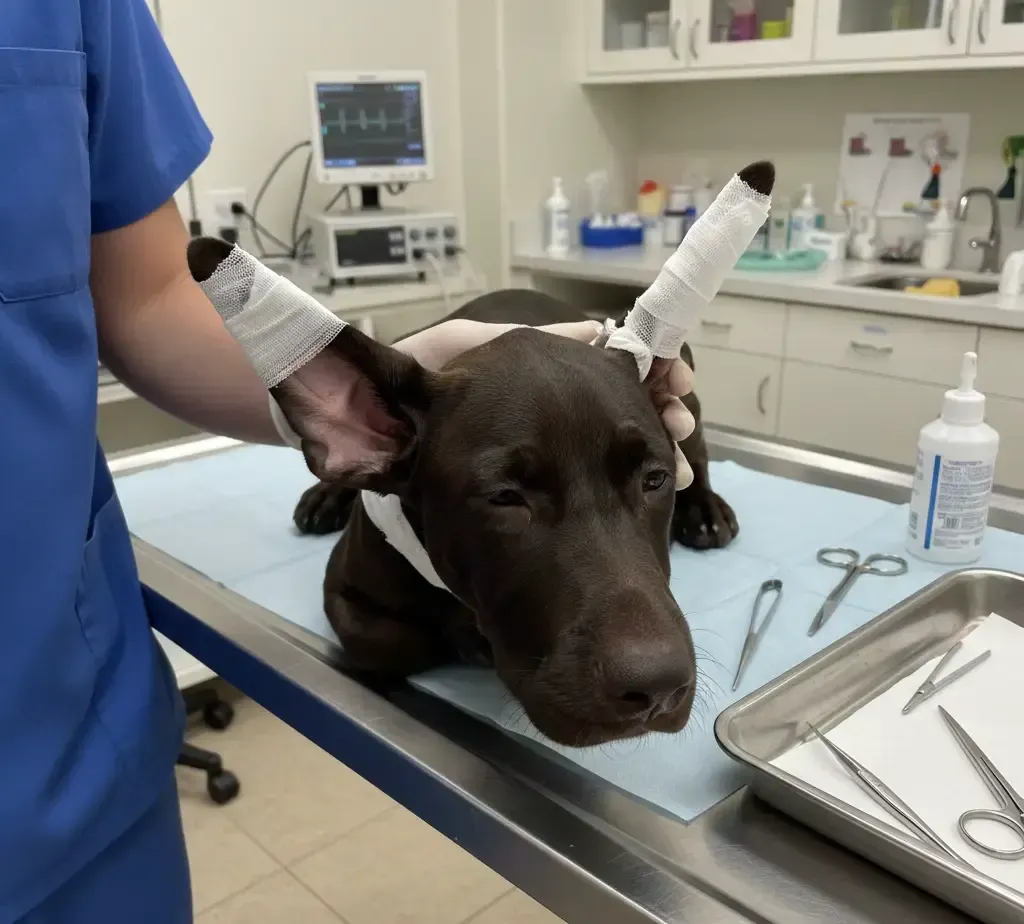
Choosing to pursue a surgical alteration for a canine companion is a decision that sits at the intersection of tradition, breed standards, and clinical precision. For many dedicated owners of specific working and guardian breeds, the silhouette of a dog is not merely an aesthetic preference but a hallmark of historical function and identity. As we navigate the veterinary landscape of 2026, the technical execution of this procedure has evolved significantly, emphasizing not just the visual outcome, but the physiological safety and long-term comfort of the animal. At Normandy Animal Hospital , we recognize that residents searching for Ear Cropping in Jacksonville are looking for more than a routine service; they are seeking surgical expertise that respects the unique cartilage structure of their specific breed. Whether you are a first-time owner of a Doberman Pinscher or a seasoned enthusiast of the Great Dane or American Bully, understanding the surgical journey—from the initial consultation to the final posting—is essential for a successful result. 1. The Anatomy of a Precision Crop Ear cropping is a delicate procedure that requires a deep understanding of canine auricular anatomy. Unlike a standard soft-tissue surgery, cropping is as much an art form as it is a medical necessity for those adhering to breed registries. The ear flap, or pinna, consists of a thin layer of skin covering a framework of highly flexible elastic cartilage. Cartilage Assessment and Sizing The success of a crop depends largely on the quality of the cartilage. During a consultation for Ear Cropping in Jacksonville , a surgeon must evaluate the "weight" and stiffness of the ear leather. Cartilage that is too thin may struggle to stand, regardless of the surgical technique, while exceptionally thick cartilage may require a specific edge-tapering method to ensure a clean, upright look. The Surgical "Edge" The incision path is determined by the desired style—ranging from the short, functional "battle crop" often seen in Bullies to the elegant, long "show crop" synonymous with Great Danes. The surgeon must navigate the marginal ear vein and ensure that the blood supply to the remaining pinna remains robust. Precise cauterization and suturing are critical to minimize scarring, which can otherwise "pull" the ear and distort the final shape as it heals in the humid Florida climate. 2. Timing the Procedure: The Biological Window In the world of veterinary surgery, timing is everything. For ear cropping, there is a very narrow biological window where the cartilage is pliable enough to be reshaped but mature enough to support its own weight eventually. The Standard Window (8 to 12 Weeks) Most breeds are best cropped between 8 and 12 weeks of age. During this period, the puppy’s nervous system is developing, but the ear cartilage hasn't yet "set" into its natural dropped position. Waiting too long—beyond 16 weeks—drastically reduces the chances of the ears standing successfully, as the cartilage becomes more rigid and the ear leather heavier. Breed-Specific Deviations Some larger breeds may have slightly different developmental timelines. However, the consistent factor across all breeds is the need for the procedure to occur before the onset of heavy teething. The teething process redirects calcium and other minerals toward the adult teeth, which can temporarily soften the ear cartilage and interfere with the standing process. 3. The Jacksonville Climate and Post-Op Recovery Jacksonville’s unique environment plays a significant role in how a puppy heals after surgery. Our high humidity and warm temperatures create specific challenges for wound management. Managing Moisture and Heat Florida’s humidity can lead to moisture buildup under surgical bandages or tapes. This is a primary concern during the first 14 days post-op. At Normandy Animal Hospital , we provide specific protocols to keep the surgical site dry. If moisture is trapped against the incision, it can lead to "hot spots" or secondary bacterial infections that compromise the aesthetic edge of the crop. Seasonal Considerations Owners must be particularly vigilant during the summer months. Increased outdoor activity in sandy or swampy areas around the St. Johns River can introduce debris into the healing ear. Keeping the puppy in a controlled, air-conditioned environment during the initial healing phase is not just about comfort—it’s about preserving the integrity of the surgical site. 4. Surgical Safety and Anesthetic Protocols Many owners feel understandable anxiety regarding general anesthesia for a young puppy. Modern veterinary medicine in 2026 utilizes highly refined protocols to ensure the highest safety margins. Pre-Anesthetic Screening Before any surgery at our Jacksonville facility , a puppy undergoes a comprehensive physical exam and blood screening. We assess liver and kidney function to ensure the puppy can efficiently process the anesthetic agents. This baseline data is crucial for tailoring the dosage to the individual’s weight and metabolic rate. Intraoperative Monitoring During the procedure, we monitor vital signs including heart rate, oxygen saturation, and blood pressure. Because ear cropping is a detailed procedure that takes more time than a simple laceration repair, maintaining core body temperature and stable vitals is a top priority for our surgical team. 5. Pain Management and Puppy Comfort One of the most frequent questions regarding Ear Cropping in Jacksonville concerns the level of discomfort the puppy will experience. We utilize a multimodal approach to pain management that begins before the first incision. Local and Systemic Relief We use local nerve blocks to "numb" the ear area entirely during the surgery. This allows us to maintain a lighter, safer level of general anesthesia. Following the surgery, long-acting pain medications and anti-inflammatories are administered to ensure the puppy is comfortable and ready to eat and play within hours of waking up. The First 48 Hours The most critical time for pain management is the first two days at home. Puppies are remarkably resilient, and with the correct medication schedule, most do not even realize they have had a procedure. The goal is to prevent the puppy from scratching or shaking their head, which can lead to swelling or hematomas.  6. The Art of "Posting" and Aftercare The surgery is only 50% of the journey. The remaining 50% is the diligent aftercare and "posting" (tapping the ears into an upright position) that takes place over the following weeks or months. The Healing Phase (Days 1–14) Immediately following surgery, the ears are usually taped to a "rack" or left to heal "up" without heavy pressure. The goal during these first two weeks is to allow the incision line to heal completely and for the sutures to be removed. No "posting" should occur until the scabs have fallen off and the skin is healthy. The Posting Marathon Once the incisions are healed, the ears are placed in "posts"—cylindrical supports that keep the ear vertical. This process must be repeated consistently. Depending on the breed and the length of the crop, posting can last from a few weeks to several months. A Great Dane with a long show crop will require much longer posting than a Pit Bull with a short crop. 7. Styles and Breed Standards When discussing Ear Cropping in Jacksonville , it is important to match the style of the crop to the individual dog’s head shape and future size. The Battle Crop This is the shortest style, often seen in various Bully breeds. It provides a very sleek look and is the easiest to get to stand, as there is very little weight for the cartilage to support. The Short/Sized Crop Common for working dogs, this style leaves a bit more leather than the battle crop. it follows the natural curve of the ear and provides a balanced, alert appearance. The Show Crop The most challenging and elegant style, the show crop is long and requires a master’s hand. It is primarily used for Dobermans and Great Danes. This style requires the most commitment from the owner during the posting phase, as the long lever arm of the ear leather is difficult to support until the cartilage fully hardens. 8. Common Myths and Misconceptions There is a significant amount of misinformation surrounding ear cropping. Addressing these myths is a key part of our educational mission at Normandy Animal Hospital . Myth: "Cropping is only for fighting dogs." This is a harmful stereotype. In reality, ear cropping has historical roots in preventing ear injuries in working dogs that navigate dense brush or protect livestock. Today, it is largely a breed standard for show and companionship, and it has no correlation with a dog’s temperament. Myth: "It prevents all ear infections." While some argue that increased airflow helps prevent certain types of infections, cropping is not a "cure" for ear issues. Dogs with cropped ears can still get infections if their canals aren't kept clean. The decision should be based on breed standards and personal preference rather than a guaranteed medical outcome. 9. Choosing the Right Surgeon in Jacksonville Not every veterinarian is trained in the art of ear cropping. It is a specialized skill that requires years of experience to master the symmetry and shaping required for a beautiful result. Questions to Ask When researching Ear Cropping in Jacksonville , ask to see a portfolio of the surgeon's work. Ask about their anesthetic protocols and their philosophy on pain management. A reputable surgeon will be transparent about the risks and the level of commitment required from the owner during the aftercare phase. The Importance of Symmetry A "bad" crop is often characterized by a lack of symmetry. If one ear is slightly wider or shorter than the other, it becomes very apparent as the dog matures. This is why we take precise measurements during the surgical planning phase to ensure the ears are mirror images of one another. 10. The Financial Investment Ear cropping is an elective surgical procedure, and the cost reflects the expertise of the surgeon, the quality of the anesthesia, and the follow-up care required. What is Included? A comprehensive quote for Ear Cropping in Jacksonville should include the pre-op exam, the surgery itself, anesthetic monitoring, pain medications, and the first few follow-up appointments for suture removal and initial taping. Long-Term Value While the initial cost is a consideration, a poorly performed crop can lead to expensive corrective surgeries or a lifetime of dissatisfaction with the dog's appearance. Investing in a skilled surgeon at the outset is the most cost-effective way to achieve the look you desire for your pet. 11. Preparing Your Puppy for Surgery If you have decided to move forward with the procedure, there are steps you can take to prepare your puppy for a successful day. Health and Vaccinations Your puppy should be in good health and current on their initial round of vaccinations. An active infection or heavy parasite load can compromise the immune system’s ability to heal the surgical site efficiently. Fasting Protocols Like humans, puppies must fast before anesthesia to prevent complications. We provide specific instructions on when to pull food and water the night before the procedure. 12. Potential Complications and How to Avoid Them While complications are rare when the procedure is performed by a professional, it is important to be aware of the possibilities. Ear Not Standing This is the most common "complication," and it is almost always due to improper or inconsistent posting. If an owner skips even a few days of taping during the critical hardening phase, the ears may fall. Infection and Scarring If the incision site is not kept clean and dry—particularly in the Jacksonville humidity—infection can occur. This can lead to thickened scar tissue that "puckers" the ear edge. Following the antibiotic and cleaning regimen strictly is the best defense. 13. The Ethics of Breed Tradition The conversation around ear cropping has evolved in 2026. While some regions have moved away from elective surgeries, in the United States, it remains a protected right for owners who wish to adhere to established breed standards. Professional Responsibility At Normandy Animal Hospital , our responsibility is to provide a safe, sterile, and compassionate environment for those who choose this procedure. We believe that if an owner chooses to crop, it should be done by a licensed professional using modern medical standards rather than by an unqualified individual using "at-home" methods that cause unnecessary suffering. The Owner's Commitment We only perform ear cropping for owners who demonstrate a clear understanding of the aftercare required. A successful crop is a partnership between the vet and the owner. 14. Real-Life Scenarios: Why Results Vary No two puppies heal exactly the same way. We often see two puppies from the same litter have different timelines for when their ears finally stand. Case Study: The "Heavy-Eared" Bully We once treated an American Bully with exceptionally thick ear leather. Despite a perfect surgical crop, his ears took nearly six months of posting to stand. His owner’s persistence was the key factor. Had they given up at three months, the ears would have remained "half-cocked." Case Study: The "Quick-Healer" Doberman Conversely, some Dobermans have thin, light cartilage that stands within two weeks of suture removal. While this is the ideal scenario, it is not something that can be guaranteed. Every dog's genetics play a role in the hardening of the cartilage. 15. The Role of Nutrition in Healing What you feed your puppy during the recovery phase can impact how quickly the skin heals and how strong the cartilage becomes. High-Quality Protein Skin is made of protein. Feeding a high-quality, growth-formula puppy food ensures that the body has the building blocks necessary to repair the surgical incisions with minimal scarring. Calcium and Minerals While you should never over-supplement calcium (which can cause skeletal issues), ensuring your puppy is on a balanced large-breed or regular puppy diet is essential. The minerals in the food are what eventually "calcify" the ear cartilage, giving it the strength to stand upright. 16. Life After the Crop: Maintenance Once the ears are standing and the posting is finished, your dog’s ears are relatively low-maintenance. Sun Protection In Jacksonville, the sun is intense. The edges of cropped ears can be susceptible to sunburn, especially in dogs with light-colored coats. On very bright days at the beach or the park, a pet-safe sunscreen applied to the ear tips can prevent discomfort. Regular Cleaning Because the ear canal is now more "open" to the environment, you may notice more dust or debris accumulating in the ear. A gentle weekly cleaning with a vet-approved solution will keep the ears healthy and odor-free. 17. Why Normandy Animal Hospital is the Preferred Choice When you choose us for Ear Cropping in Jacksonville , you are choosing a team that treats your puppy like our own. Our facility at Normandy Animal Hospital is designed to provide a stress-free environment for both the pets and their owners. Continuity of Care We don't just do the surgery and send you away. we are here for every tape change, every concern, and every milestone. Our goal is to see your dog grow into a healthy, beautiful representative of their breed. 18. Conclusion: A Silhouette of Excellence The decision to seek out Ear Cropping in Jacksonville is one that will define your dog’s appearance for the rest of their life. It is a journey that requires patience, commitment, and a high level of surgical skill. By understanding the biological timelines, the environmental factors of our Florida climate, and the necessity of diligent aftercare, you can ensure that your puppy achieves the classic, alert look that is so highly valued in their breed. At Normandy Animal Hospital , we are proud to be a part of this tradition, providing a modern medical framework for a time-honored practice. We invite you to explore our Homepage to learn more about our commitment to veterinary excellence. When you are ready to take the next step, our team is here to guide you through the process with transparency, skill, and compassion. Your dog’s silhouette is a testament to their heritage. Let us help you shape it with the precision and care it deserves.
Nail Trimming for Dogs and Cats in Jacksonville FL
By Michael Rayburn December 19, 2025
Nail trimming for dogs and cats in Jacksonville, FL. Trust Normandy Animal Hospital for safe, gentle, and professional pet care.
Ear Cropping for Dogs in Jacksonville
By Michael Rayburn December 19, 2025
Ear cropping for dogs in Jacksonville. Trust Normandy Animal Hospital for safe, professional care to keep your pets healthy and happy.
ear cropping
By Michael Rayburn November 20, 2025
Learn about ear cropping, its process, benefits, risks, and proper aftercare to ensure safe, responsible results for your dog.
animal hospital
By Michael Rayburn October 10, 2025
Trusted animal hospital providing compassionate veterinary care, advanced treatments, and wellness services to keep your pets healthy and happy.
ear cropping
By Michael Rayburn September 12, 2025
Ear cropping is a surgical procedure that some pet owners choose for certain breeds to achieve a desired look or improve ear structure. While the procedure itself requires careful consideration and professional veterinary expertise, the recovery and aftercare process is just as important. Proper care during the healing phase not only ensures the safety and comfort of your pet but also helps achieve the best possible outcome from the surgery. For pet owners, knowing what to expect, what steps to take, and when to seek additional veterinary help can make all the difference. In this guide, we will cover everything you need to know about ear cropping recovery, aftercare routines, and solutions to common concerns. Understanding Ear Cropping and Its Post-Surgical Care When your dog undergoes ear cropping , the journey doesn’t end when the surgery is over. In fact, the true work begins at home. Post-surgery, your pet must be monitored closely, and owners play a vital role in ensuring the incision heals properly. Ear cropping entails surgically altering the pinna, or ear flap, to create an upright posture. This delicate procedure requires meticulous post-operative care. Issues such as infection, swelling, and poor healing can occur if aftercare routines are not carefully followed. By staying on top of cleaning, offering pain management, and sticking to veterinary advice, you will help your pet recover smoothly. The First 24 to 48 Hours After Surgery The first two days after surgery are critical. Your dog may still be groggy from anesthesia, and discomfort levels will be at their highest. This period requires: Quiet recovery space: A calm, comfortable spot helps avoid unnecessary stress and movement. Pain medication as prescribed: Never skip doses, since pain management is crucial. Observation for unusual symptoms: Excessive bleeding, crying, or constant head shaking should be reported immediately to your vet. Bandaging may be in place depending on the type of ear cropping performed. Your veterinarian will provide specific instructions on how to monitor and protect the surgical site. Cleaning and Bandage Care Cleanliness plays one of the most significant roles in recovery. Infections can quickly derail healing if bacteria enter the wounds. Regular cleaning: Your veterinarian may prescribe antiseptic solutions or recommend a gentle cleaning method. Always follow instructions carefully. Sterility: Wash your hands thoroughly before touching the ears or bandages. Bandage checks: Ensure that bandages stay dry and snug, but not too tight. Any foul odor or excessive moisture should be reported. Dogs may attempt to scratch at or shake the ears, which can dislodge bandages. Using an e-collar to prevent interference is often necessary until the incision site seals. Pain Management and Comfort Measures Pain is inevitable after ear cropping, but it can be controlled effectively. Your veterinarian will likely provide pain relievers or anti-inflammatories. You can help reduce discomfort by offering: A soft resting place away from noise and distractions. Maintaining hydration with fresh, clean water always available. Light meals that are easy to digest, especially in the first 24 hours post-surgery. If your dog appears excessively lethargic, refuses to eat or drink, or shows signs of severe distress, it’s time to call the vet. Monitoring for Infection One of the most important parts of ear cropping recovery is infection prevention. Since the ears are exposed and highly vascular, infections can spread quickly. Signs of infection: Redness and swelling around the incision site Unpleasant odor Thick or discolored discharge Behavioral changes such as constant scratching or whining If any of these warning signs appear, a veterinary checkup is essential. Prompt treatment prevents long-term complications and keeps healing on track. The Importance of Ear Posting For many breeds, proper posting (or taping) is an essential step after ear cropping. This process helps train the ears to stand upright. Posting typically begins once initial healing has taken place and sutures have been removed. Posting must be done carefully: Incorrect taping can harm the ears or slow down healing. The ears must remain clean and dry during posting changes. Follow your veterinarian’s specific instructions on timing and technique. Patience is key, as the posting process can take weeks to months depending on the breed, ear cartilage strength, and individual healing rate. Diet and Recovery Support Nutrition plays a critical role in your pet’s healing journey. During ear cropping recovery: Protein-rich diets help rebuild tissue. Fatty acids (like omega-3s) aid in reducing inflammation. Hydration supports circulation and overall recovery. Avoid sudden diet changes during recovery, as this can stress your dog’s digestive system. Instead, rely on high-quality, balanced food recommended by your veterinarian. Long-Term Care and Ear Health Even once the ears have healed, monitoring their long-term health remains important. Dogs with cropped ears still need regular ear cleaning to prevent wax buildup and infections. Schedule regular veterinary checkups to ensure overall ear health, since even properly healed cropped ears can remain prone to occasional issues. Consistent aftercare, beyond the initial weeks, ensures both the cosmetic and health benefits of ear cropping near me are long-lasting. Emotional and Behavioral Considerations While focusing on physical recovery, don’t neglect your dog’s emotional health. Surgery and recovery can be stressful. Signs of anxiety may include whining, pacing, or restlessness. Supporting your dog during this time with gentle reassurance, play (when permitted), and companionship helps them cope. Avoid scolding or becoming frustrated if your pet seems irritable or resists care. Remember, recovery is uncomfortable, and patience is a vital part of the healing process. Ear Cropping Recovery Timeline Although healing varies by breed and individual, here’s a general idea: Day 1 to 3: Pain highest, swelling present, sutures intact. Day 4 to 10: Healing tissue forms, bandages may be checked or changed. Day 10 to 14: Sutures usually removed if healing progresses well. Week 3 onward: Posting begins, ears gradually adjusted to stand upright. 1 to 3 months: Full recovery with consistent posting and monitoring. During each phase, close communication with your veterinarian remains necessary. The Role of Your Veterinary Team Choosing a skilled veterinary team, such as those at Normandy Animal Hospital, ensures you and your pet are supported throughout the process. From surgery to bandaging, posting, and monitoring, a reliable veterinary partner makes the journey smoother and reduces risks during recovery. At every stage—whether in the first 48 hours, during the posting phase, or months after healing—professional guidance ensures that your pet remains healthy and comfortable. Normandy Animal Hospital is dedicated to helping pets heal safely and offering compassionate care tailored to each dog’s unique needs. Ear cropping may be a surgical choice, but recovery is truly a partnership between the vet and the owner. With the right aftercare, attention, and veterinary support, pets can heal well and transition back into daily life with confidence and comfort. Normandy Animal Hospital 8615 Normandy Blvd, Jacksonville, FL 32221, United States (904) 786-5282 https://www.normandyblvdanimalhospital.com/
vet nearby
By Michael Rayburn August 14, 2025
Find a trusted vet nearby for quality pet care, check-ups, and emergencies. Compassionate veterinary services close to your home.